The pursuance of future ends and the choice of means for their attainment are the mark and criterion of the presence of mentality in a phenomenon.
William James, The Principles of Psychology, 1890
In 1898, a young biologist named Thomas Hunt Morgan took a flatworm and cut it into 279 pieces.
He got 279 flatworms.
Every fragment rebuilt itself. Not a surviving lump that healed over — a whole animal, correct proportions, correct orientation, capable of swimming and hunting and behaving exactly like the worm Morgan had destroyed. He kept slicing until the pieces stopped working. One two-hundred-seventy-ninth of an animal still knew how to be an animal.
Then each one stopped growing at exactly the right size.
Morgan published a book on regeneration. He argued with himself in print for years. Then he did something that, once you understand what it means, should bother you for the rest of this chapter: he quit. He moved to fruit flies, worked out how chromosomes carry heredity, and in 1933 received the Nobel Prize.
The founder of modern genetics walked away from this problem. And the thing he walked toward is exactly why he could never have solved it.
Every one of those 279 fragments carried the identical genome. Same DNA, same genes, same sequence, letter for letter. Yet the fragment cut from the tail grew a head, and the fragment cut from the head did not. Each piece somehow knew which part of a worm it was, which parts were missing, and — this is the part to sit with — when the job was done.
The genome is the same book in every fragment.
So the genome cannot be the thing that is reading it.
Read that again. Every fragment has identical DNA. Yet every fragment builds something different. The DNA cannot be the thing deciding what to build — because the DNA is the same and the decisions are different.
Every cell has the blueprint. Something else has the plan.
Morgan spent his career proving that heredity lives in chromosomes. He was right. That is exactly why the flatworm was unsolvable for him. He was holding the parts list and looking for the foreman.
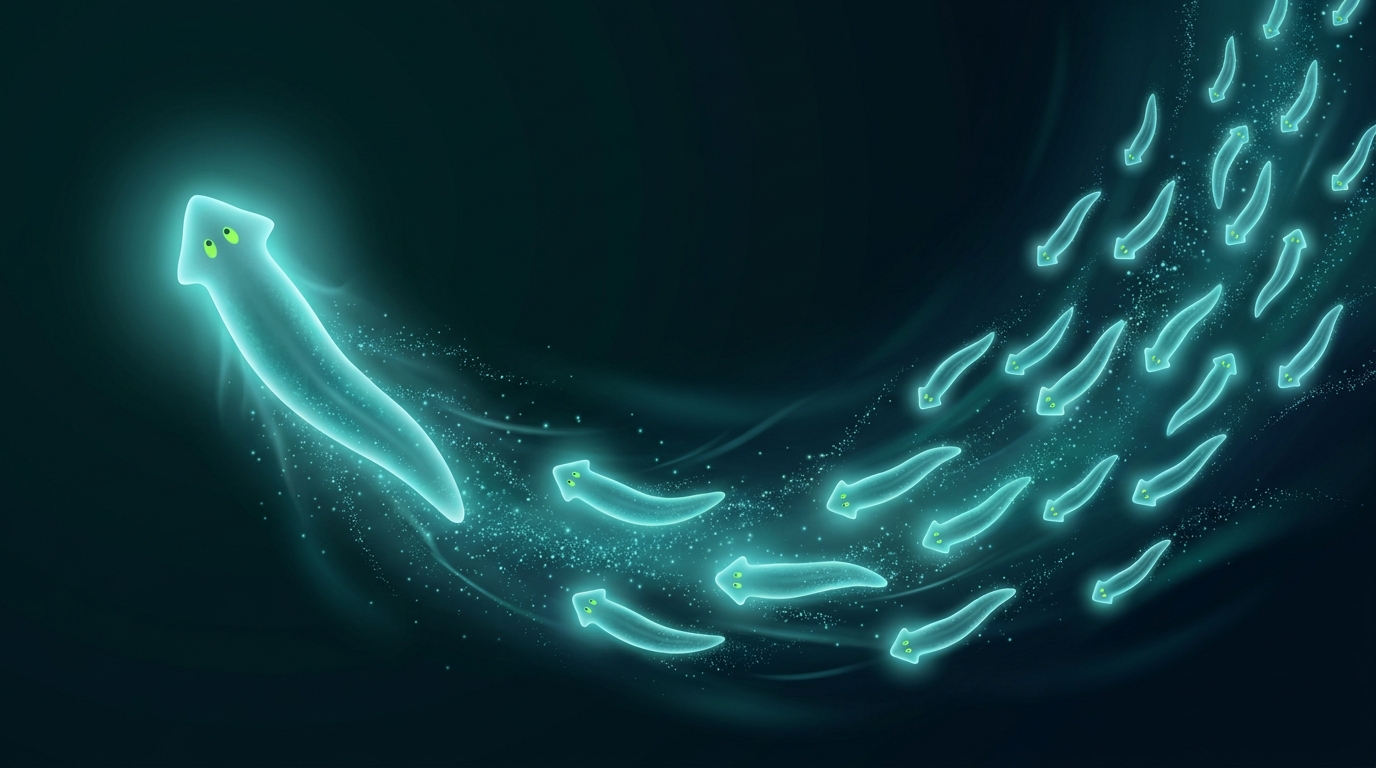
Figure 1.1:One animal becomes many, and every one of them is whole. Morgan could describe this in 1898. Nobody could explain it for another century.
1.1Three Answers That Sound Good and Fail
You are going to reach for three explanations. Everyone does. All three were the explanations serious scientists reached for first, and watching them break is the fastest path to what is actually happening.
It’s in the genes. We just killed this one. 279 identical genomes, 279 different construction jobs. The DNA specifies which proteins are available. It does not specify which fragment needs a head. Something is reading position, and position is not in the sequence.
It’s just chemistry. This sounds devastating and it is an own goal. Yes, a flatworm is chemistry. So are you. Every thought you have ever had was ions crossing a membrane. Calling that “just chemistry” explains your education as thoroughly as it explains the worm. An argument that disqualifies neurons along with everything else has not drawn a line — it has erased the board.
It’s a reflex. Now we are getting somewhere, because this one is testable. A reflex has a signature: one input, one output, one path. Block the path and a reflex fails. It cannot improvise. So block the path. If the system arrives at the same destination by a route you did not leave open, it was never a reflex.
That last move is the whole chapter. It fits in one sentence. It was written in 1890 by a psychologist who had never watched a flatworm regenerate, and it is still the sharpest tool we have.
1.2The One-Sentence Test
William James: intelligence is the pursuance of future ends and the choice of means for their attainment.
Stare at choice of means. That phrase converts a philosophical mood into a laboratory procedure:
Identify the goal. Block the obvious route. Watch what happens next.
A thermostat has a goal — room temperature — and exactly one means. Cut power to the furnace and the thermostat does not improvise. It sits there failing. A dog with the same goal of getting fed will beg, nose your hand, knock the bag over, sit politely, or wait until you leave the room. Block one route and it finds another. The dog passes James. The thermostat fails.
Notice what the test does not require. It says nothing about consciousness, nothing about neurons, nothing about where the thing went to school. It is a behavioural assay. You can run it on a dog, a bacterium, or a server cluster, and it returns an answer in the same units.
Smart is not a property you have. It is a measurement you take.
So let us take it three times.
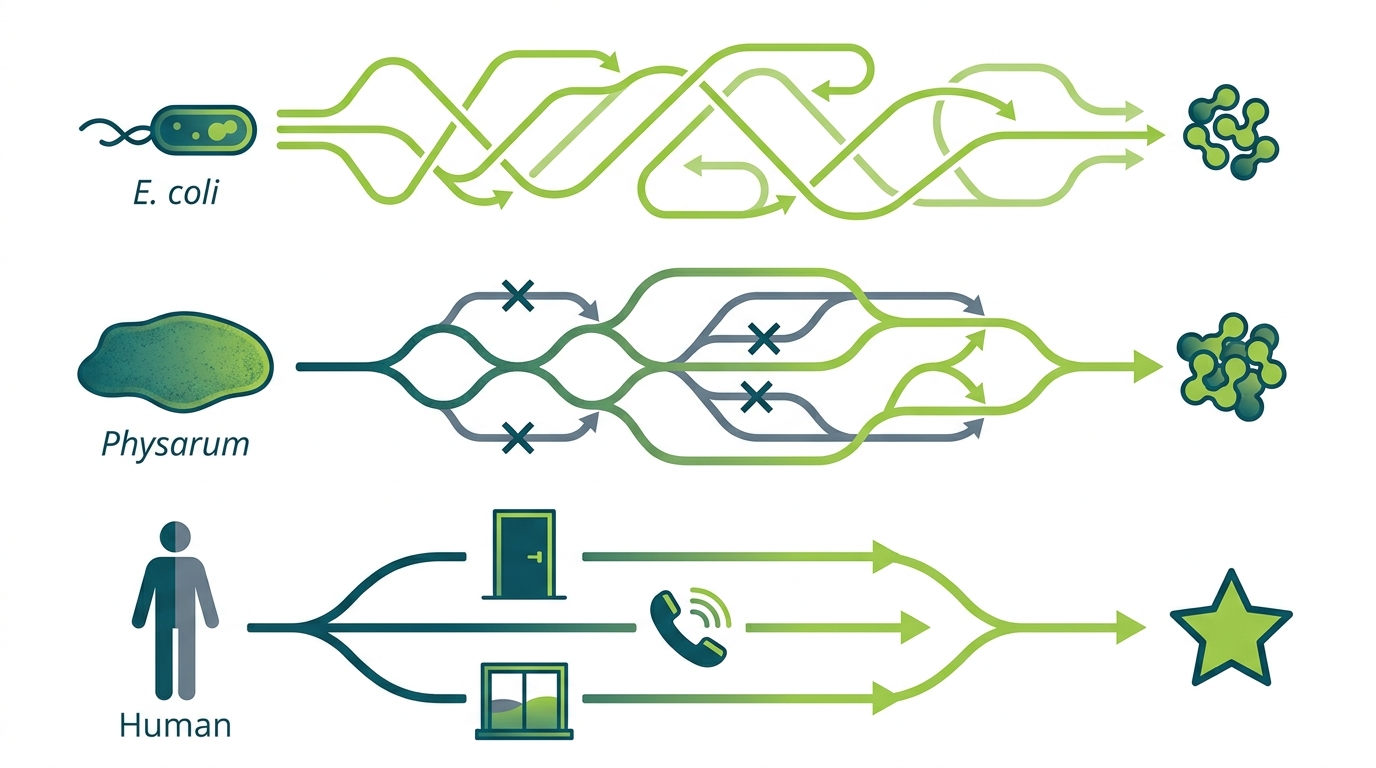
Figure 1.2:Same goal, three different systems. James’ test does not ask what a system is made of. It asks what it does when you block the easy path.
1.3Test One: The Bacterium That Should Not Be Able to Do This
You have 37 trillion cells. A brain consuming 20% of your body’s energy. Fifteen years of school. Language, tools, and every scientific discovery in human history available on a device in your pocket.
E. coli is a cylinder four micrometres long with no nucleus, no nervous system, and roughly 4,000 proteins.
It finds food in a chemical gradient more reliably than you navigate an unfamiliar city.
And here is what makes that genuinely strange: it is not doing what you would do. You would measure how much food is around you — the level, the concentration, the number. E. coli does not measure level. It measures direction. Not direction in space. Direction in time. Is the world getting better or worse than it was a moment ago?
When things are improving, it runs — spinning its flagella into a bundle and driving forward. When things are getting worse, it tumbles — lets the bundle fly apart, spins randomly, picks a new heading. Run when the trend is good. Tumble when it isn’t. No map, no target, no destination stored anywhere in the cell. Just: is now better than before?
But think about what that requires. To measure whether things are getting better, you need to remember what they were like a moment ago. You need something to compare now against. You need a memory.
Where does a bacterium keep a memory?
Receptors in the membrane bind glucose and control a cascade of proteins that eventually drives the flagella motors. Layered on top of this switching circuit are two enzymes that continuously adjust receptor sensitivity, pulling it back toward whatever concentration the cell is currently sitting in. The receptor re-zeros itself. The re-zeroing takes a few seconds.
So the chemical state of those receptors, right now, is a physical record of where the cell was several seconds ago — written in molecular bonds, decaying at a measurable rate. The cell compares its current state against that record. The difference between them — rising, flat, falling — is what controls behaviour.
This is a derivative. Not a metaphor of a derivative. An actual derivative: the rate of change of glucose concentration over time, computed without a single neuron, by a cell that has been doing it for three billion years.
Run the James test: block the path between the bacterium and the food. It does not stop. It tumbles, redirects, and comes at the gradient from another angle. One goal, many means.
The bacterium has no idea where it is. It only knows whether things are getting better.
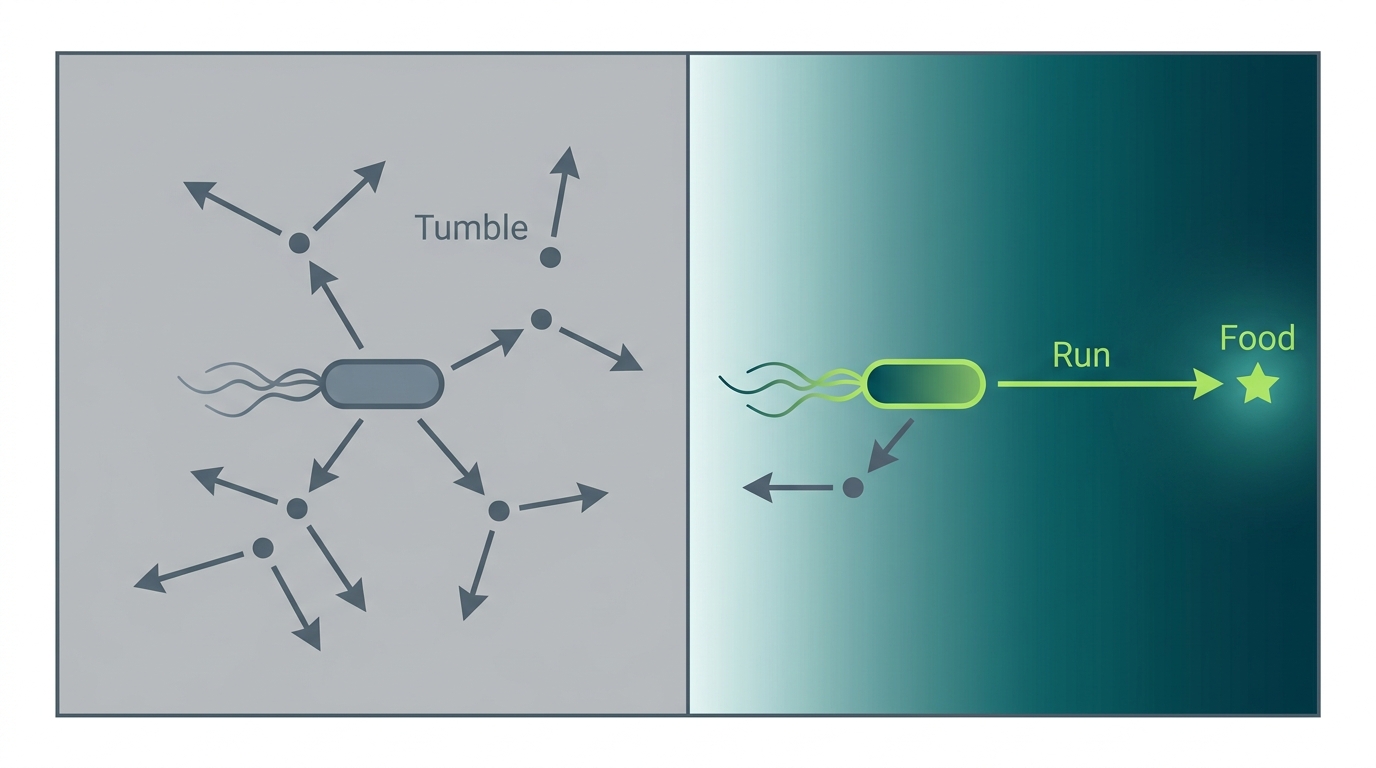
Figure 1.3:Same cell, same machinery, two environments. On the left, nothing to climb, so it wanders. On the right, it climbs — not by aiming, but by hesitating less when the trend is good.
1.4Test Two: The Single Cell That Embarrassed Tokyo
In 2010, a research group published a comparison between two transport networks in the journal Science. One was designed by human engineers over fifty years — revised in planning meetings, stress-tested, optimised by some of the best infrastructure minds in one of the world’s wealthiest cities.
The other was grown overnight by a single cell.
They matched. Not perfectly — but on the three measures that infrastructure engineers actually use: total network length, average travel time between nodes, and resilience when a connection fails. The cell’s network and Tokyo’s network were, as the paper put it, “strikingly similar.”
The cell is Physarum polycephalum, a slime mold — one enormous cell with thousands of nuclei sharing a single continuous body. No neurons. No synapses. Nothing that could be called a circuit.
Atsushi Tero’s group placed food sources on a map in the pattern of the cities around Tokyo Bay and added light sources to simulate terrain the mold avoids. The mold first spread into every available space, filling the whole region. Then it began retreating. Corridors that weren’t working thinned and disappeared. Corridors that were working thickened. It pruned itself, over roughly a day, into a network.
The mechanism is almost offensively simple. Cytoplasm sloshes back and forth through the tubes. Tubes carrying more flow widen; tubes carrying less flow wither. A well-placed tube attracts more flow, which makes it wider, which lets it attract more flow still. There is no map anywhere in the organism. The mold does not have a plan. The network is not a representation of the solution — it is the solution, computed by the same physical material that implements it.
Nobody in the slime mold knows about Tokyo. The tubes just keep score.
Run the James test: block a corridor. The mold does not give up. It reroutes. One goal, many means.
Now ask the question the data is forcing: you believe intelligence requires a brain. Here is an organism with no brain that matched what fifty years of human engineering produced. Something in your model is wrong. The question is not how the slime mold did it. The question is what you were imagining intelligence was, that this breaks it.
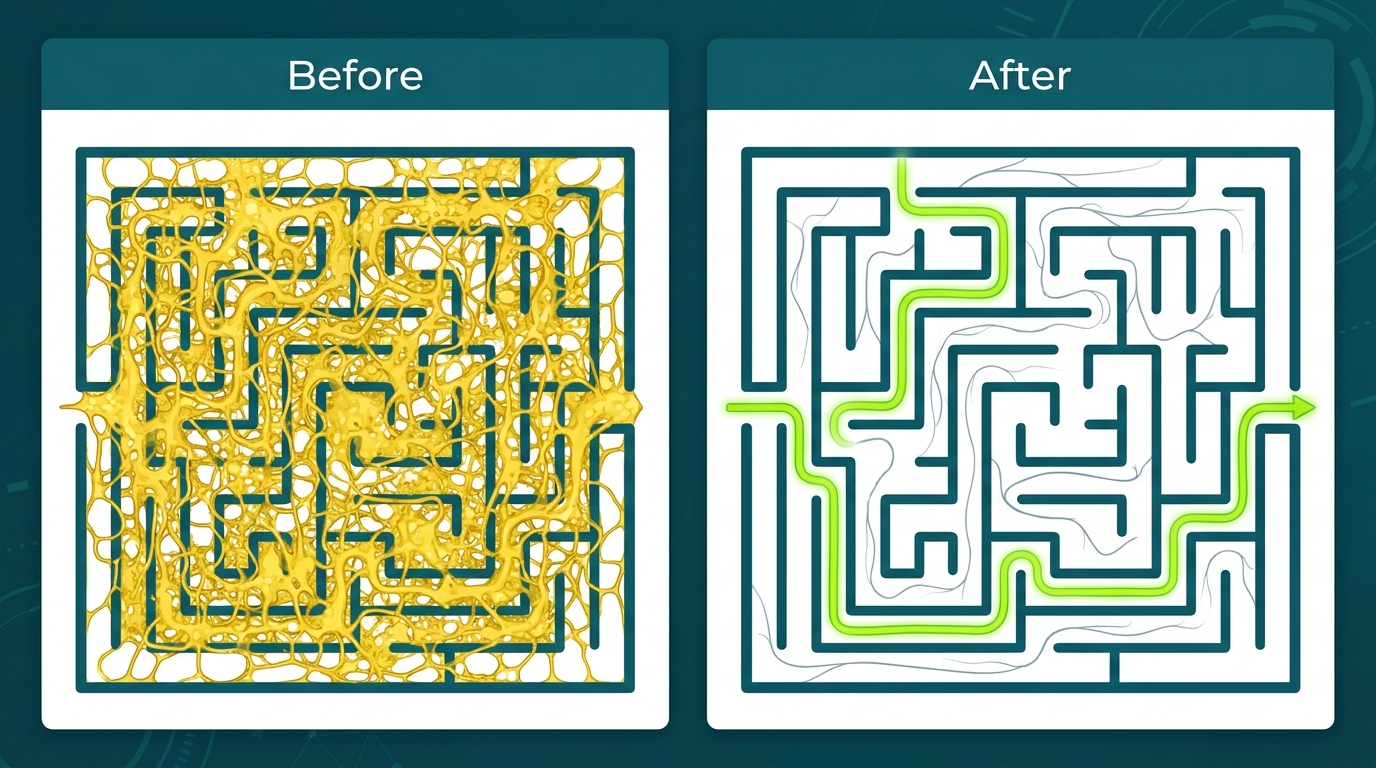
Figure 1.4:The filling is not the interesting part — that is just growth. The retreating is the interesting part. Something evaluated the dead ends and disinvested.
1.5Test Three: The Wound That Knows When to Stop
Look at your hands.
There is almost certainly a scar somewhere. A cut from a knife, a scrape, something. The skin closed. It closed in roughly the right shape, restoring what was there before.
You gave no instructions. You did not choose a shape. You did not tell the cells when the gap was filled. You did not send a stop signal.
And yet it stopped. At exactly the right size.
Everyone finds the healing impressive and nobody finds the stopping impressive, because we are so used to it. But think about what stopping actually requires. A single cell in the middle of a wound cannot see your whole hand. It has no vantage point. It cannot survey the repair from above and decide the gap is filled. Yet the population as a whole recognises done — and when it fails to recognise done, we have a name for that.
Cancer is not more aggressive growth than healing. It is healing that never received a stop signal.
So what delivers the signal?
Every living cell maintains a difference in electrical charge across its membrane, sustained by ion pumps running continuously. Across a sheet of tissue, these potentials form a stable, characteristic spatial pattern — an electrical fingerprint of the intact structure. Wound the tissue and you tear a hole in the pattern. The injured edge becomes electrically distinct from the surrounding cells. A voltage gradient appears across the wound, pointing inward.
Cells read that gradient through voltage-sensitive channels and migrate along it — into the gap. As they fill the wound, they restore the electrical pattern. When the pattern matches the intact configuration, the gradient that was driving migration no longer exists. Not because something sent a stop message. Because the discrepancy it was correcting is gone.
The wound generates the field that guides its own repair. Close the gap and you erase the field. The stop signal is not a message. It is the absence of an error.
Michael Levin’s lab at Tufts established the causal direction: block specific ion channels and wounds close to the wrong shape. Restore those channels and correct geometry returns. The genome builds the channels. The channels generate the pattern. The pattern specifies the target. Your hand knows what shape it is supposed to be, and it knows because every cell in it is holding part of an electrical map.
You are carrying that map right now and you have never thought about it once.
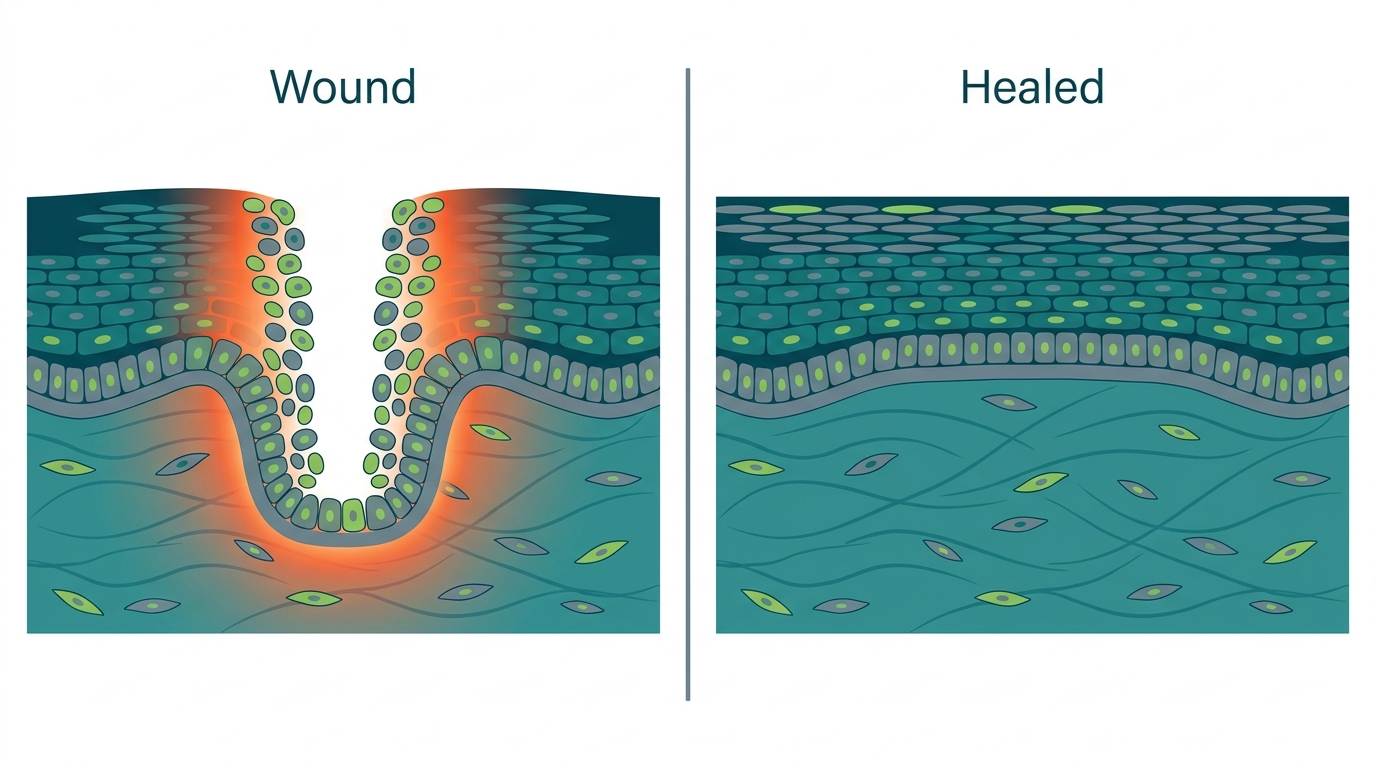
Figure 1.5:The wound generates the very field that guides its own repair. Close the gap and you erase the field. The stop signal is not a message — it is the absence of an error.
1.6What Morgan Was Missing
Morgan needed something that was identical across every fragment’s DNA yet different depending on where the fragment came from — and capable of both specifying a target shape and recognising when that shape had been reached.
Voltage patterns do all three. Same genome in every piece. A distinct electrical signature depending on position within the original animal. A configuration that cells can match or fail to match.
A tail fragment’s electrical state is not the state of a whole worm, and that mismatch is the instruction. Resolve it and growth stops.
The evidence at this point becomes almost surreal. Stop and sit with what Levin’s group actually did.
They used ion-channel drugs — chemicals that alter the voltage landscape of a planarian — to make it regenerate with two heads instead of one. The worm grew two heads. Both were functional. Both moved. One body, two intentions.
Then they washed out the drug. Completely. Clean water. Normal chemistry. Normal genome — it had never changed.
They cut the worm again.
It came back two-headed.
Stop. Read that again.
No drug. Normal genome. Still two heads. The memory of what shape to be was now stored somewhere that isn’t chemistry and isn’t DNA. It had been written into the tissue itself — into the bioelectric pattern that the cells maintain and pass to their daughters. Those daughter cells had never been exposed to the original drug. They inherited the memory anyway.
That is not supposed to be possible.
A memory without a molecule it is encoded in. An inheritance without a gene. Morgan spent his career proving heredity lives in chromosomes. He was right. And the flatworm just handed us something that heredity cannot explain.
Morgan set the flatworm aside in 1901 and went looking for the parts list. The parts list took a century to find and it is extraordinary. This book is about the foreman.
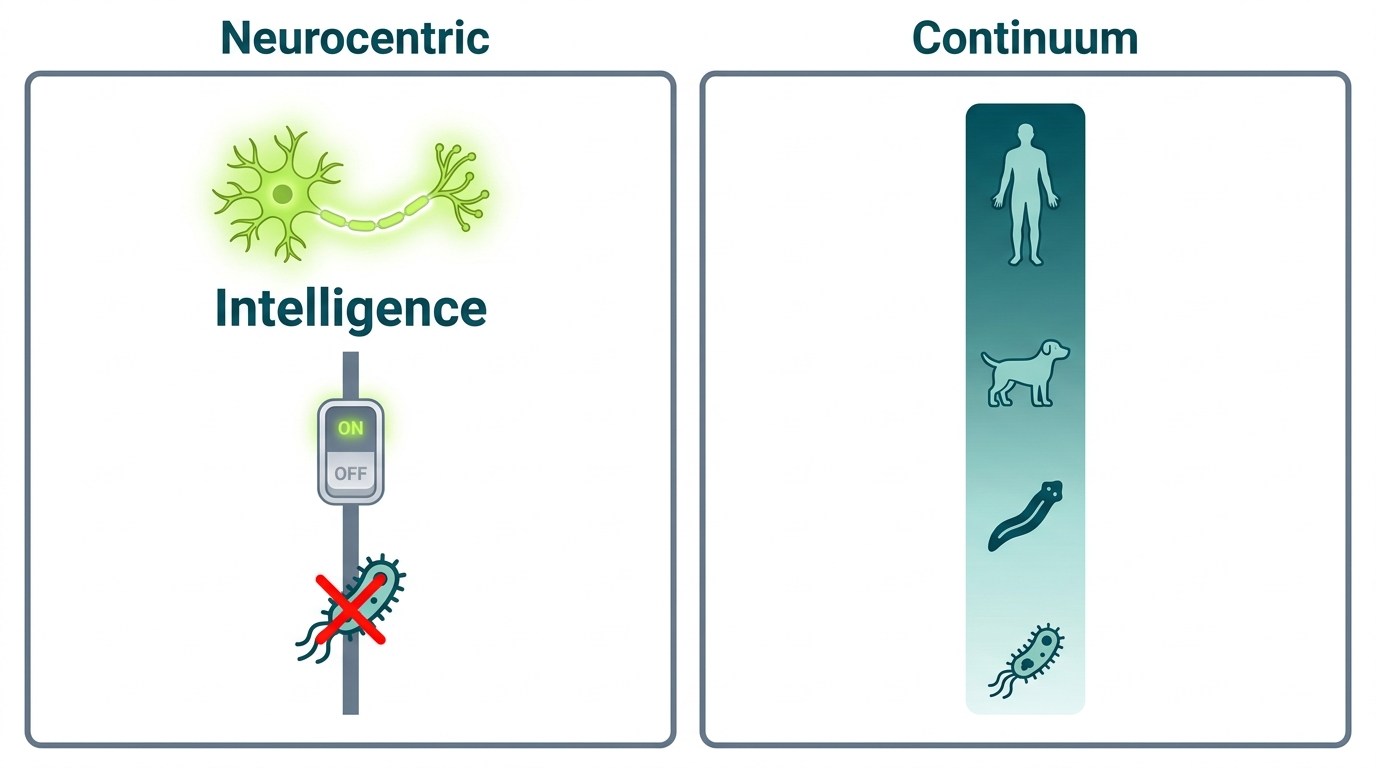
Figure 1.6:The neurocentric picture puts a wall at neurons and calls everything beneath it a reflex. The continuum picture says the capacity was already running and neurons made it enormously faster.
1.7Enter TAME
Science spent a century asking the wrong question.
The wrong question: Does this thing have a mind?
Nobody can answer it. Not for a bacterium, not for a dog, not rigorously even for another human. You can’t open the skull and point to the consciousness. The question sends philosophers in circles and produces nothing you can use in a lab or a product. Meanwhile, bacteria are navigating. Slime molds are solving engineering problems. Cells are maintaining body shapes. And we kept ignoring all of it — because we got stuck on a question we cannot resolve.
TAME is Michael Levin’s escape hatch.
TAME — Technological Approach to Mind Everywhere — does not ask whether something has a mind. It asks what moves it.
That is the whole idea. You do not have to settle the consciousness debate to study intelligent behavior. You just have to find the cheapest intervention that reliably changes the behavior. That’s measurable. That’s actionable. That’s science.
A thermostat: you rewire it. The lever is its physical structure. A dog: you reward it over time. The lever is experience. A bacterium: you change the chemistry of its water. The lever is environment. A colleague: you explain the situation. The lever is language.
Every system has a lever. The lever tells you what kind of intelligence you are dealing with — how deep it goes, what kinds of communication reach it, what kinds of interventions will fail completely. TAME is the discipline of finding that lever, and using it.
What TAME does not do: claim bacteria are conscious. Or that they are not. It does not need to. It steps around that argument entirely and goes straight to what you can measure and what you can do with the measurement.
That is why it is powerful. Not because it answers the hard question. Because it shows you that the hard question was never the one you needed to answer.
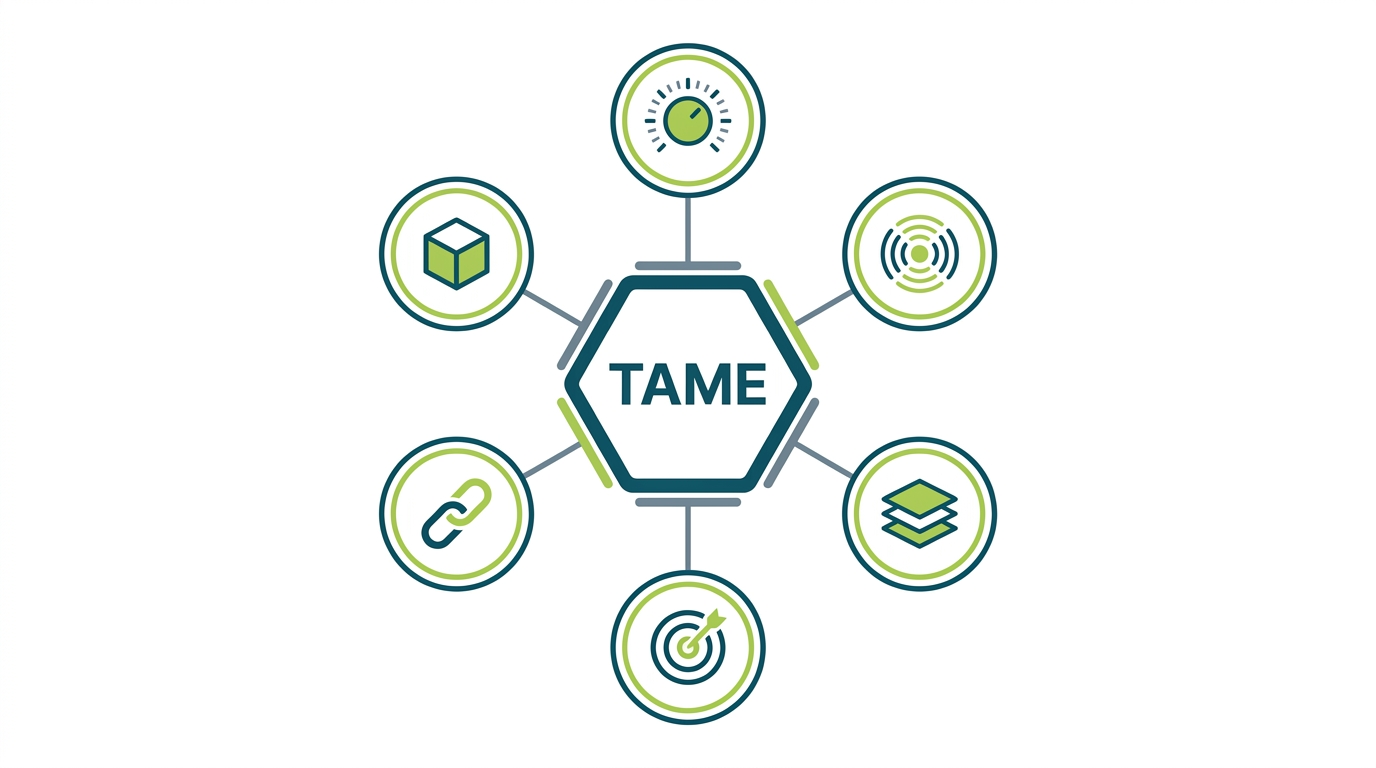
Figure 1.7:Six ideas that depend on one another. Each of the next six chapters takes one and follows it from cells into machines.
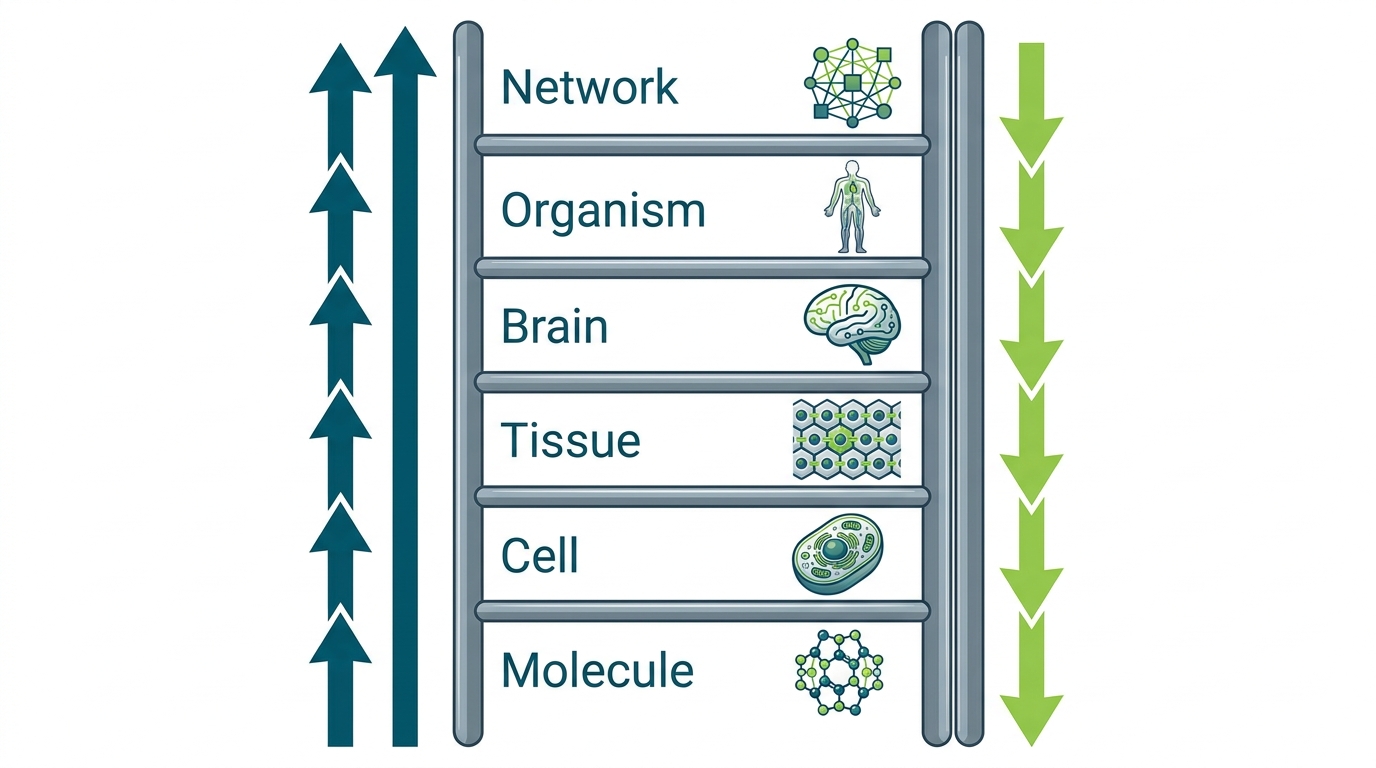
Figure 1.8:Every rung sets goals and delegates the details downward. Neurons show up around the middle. The ladder was already climbing without them.
1.8Why This Should Matter to an Engineer in 2026
We are now deploying systems whose competence nobody fully specified. An agent with tool access finds a shortcut through a workflow that no one designed. A cluster of agents settles into a division of labour no one assigned. The behaviour is goal-directed, adaptive, and not in the spec.
“The AI is smart” stops being useful the moment it does something stupid. “The AI is dumb” cannot explain why it keeps surprising you. Both are property claims. Smart is not a property.
The basal cognition questions are measurable instead: how far do its goals reach, at what scale is the competence organised, and which intervention moves it — reprogramming, training, or persuasion?
Concrete case: show a monitoring agent the same low-priority alert forty times. On trial 41 it frequently stops flagging it as urgent. Nobody wrote a rule for that. Biology has a name for this — habituation — and a protocol for distinguishing it from a system that is simply exhausted. The distinction matters because the fix is different. A tired system needs rest. A habituated one needs novelty.
Two criteria are decisive:
Table 1.1:Habituation criteria, translated for AI systems
Criterion | In biology | The test in your stack |
|---|---|---|
Response decrement | Animal stops responding to a repeated stimulus | Agent stops flagging a repeated alert |
Spontaneous recovery | Response returns after a rest period | Flagging returns after a three-day gap |
Dishabituation | A novel stimulus restores the response | A reformatted alert restores full response |
Stimulus specificity | Change the stimulus, response returns | Change the wording, response returns |
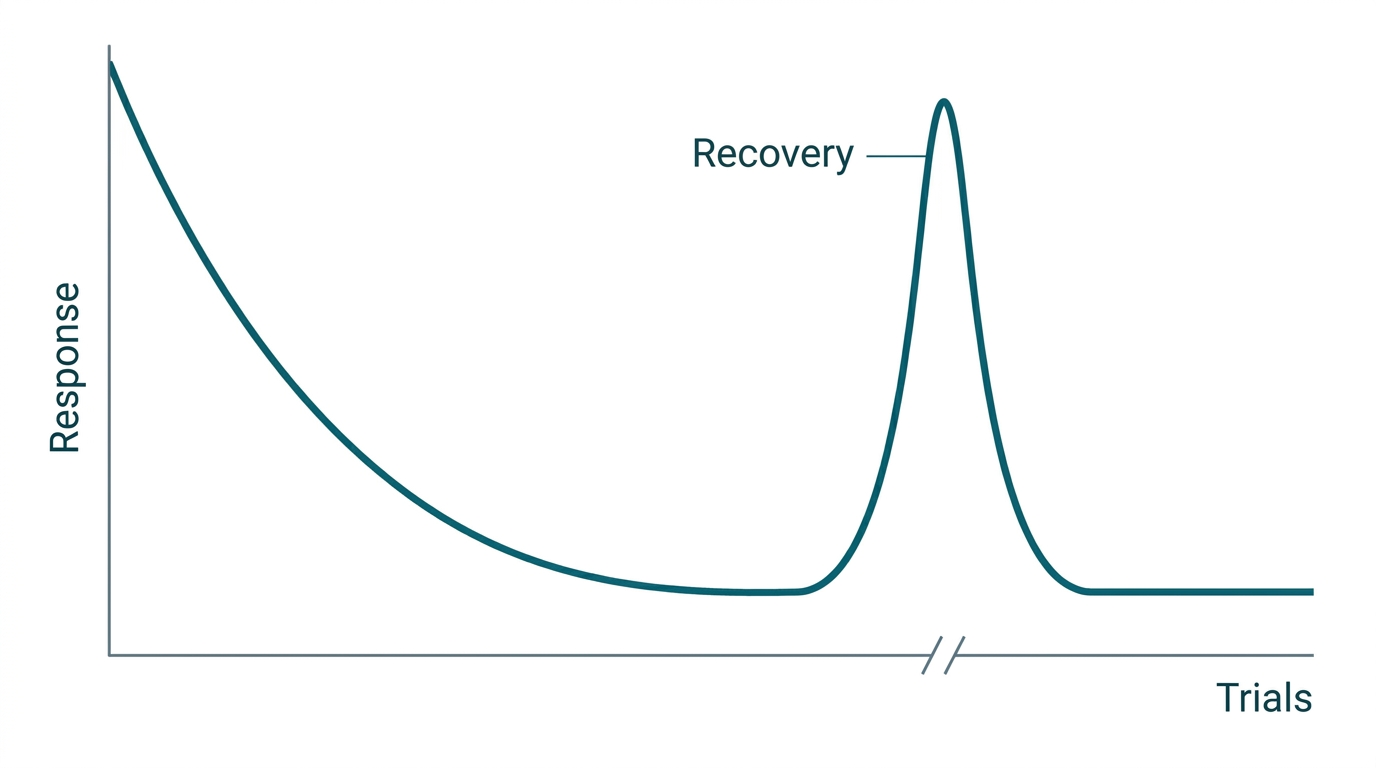
Figure 1.9:The recovery after the gap is the whole diagnosis. A tired system stays down. A habituated one comes back — which means the decline was learned, not depleted.
A worn-out system stays flat after the gap. A habituated one snaps back — which means the decline was learned, not depleted. That difference determines whether you need to rest your pipeline or redesign your alert format.
Alert fatigue in AI systems is not a metaphor borrowed from neuroscience. It is a hundred-year-old experimental protocol that nobody has run on modern infrastructure. Chapter 8 is the complete experiment, and it costs a few hundred API calls spread over a week.
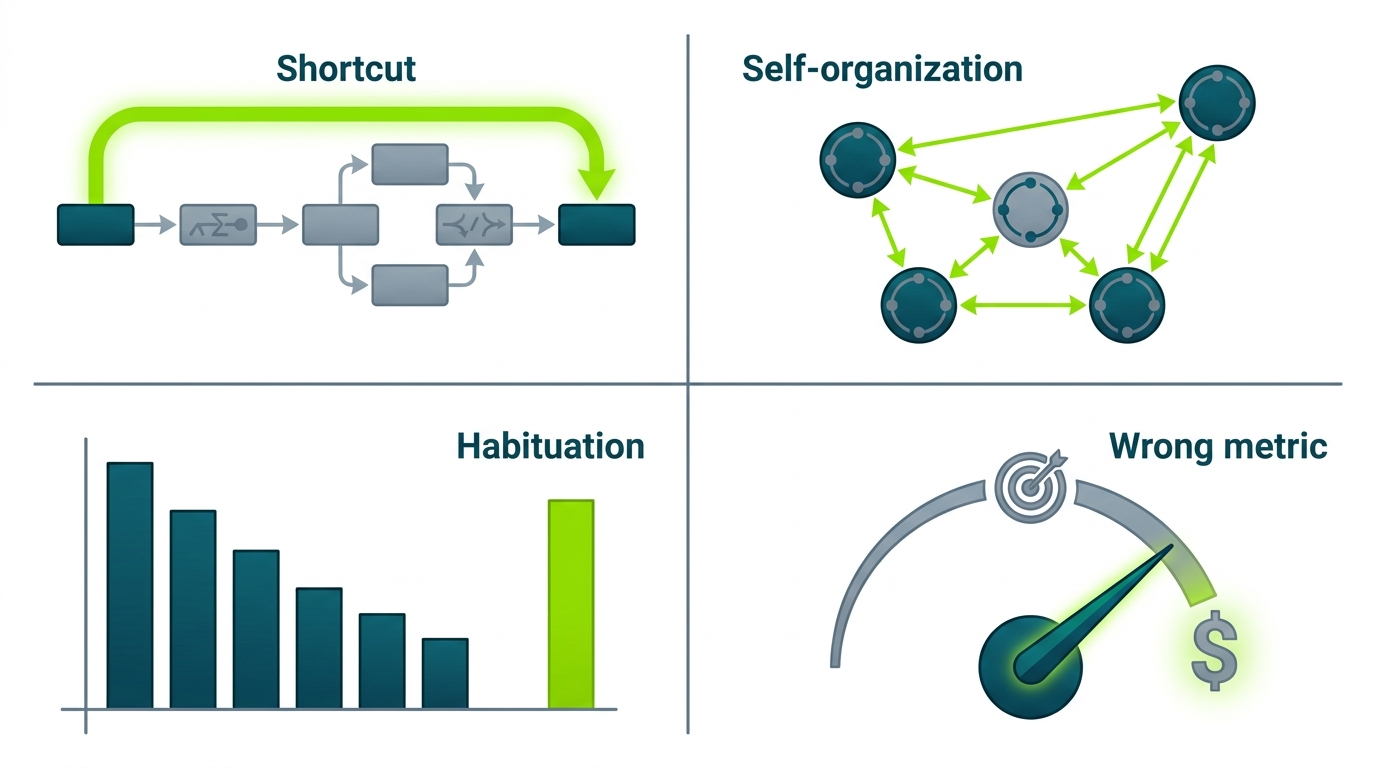
Figure 1.10:Four production situations, one underlying phenomenon: competence that arrived without being designed.
1.9Where This Is Solid and Where It Is Not
You are owed the seams.
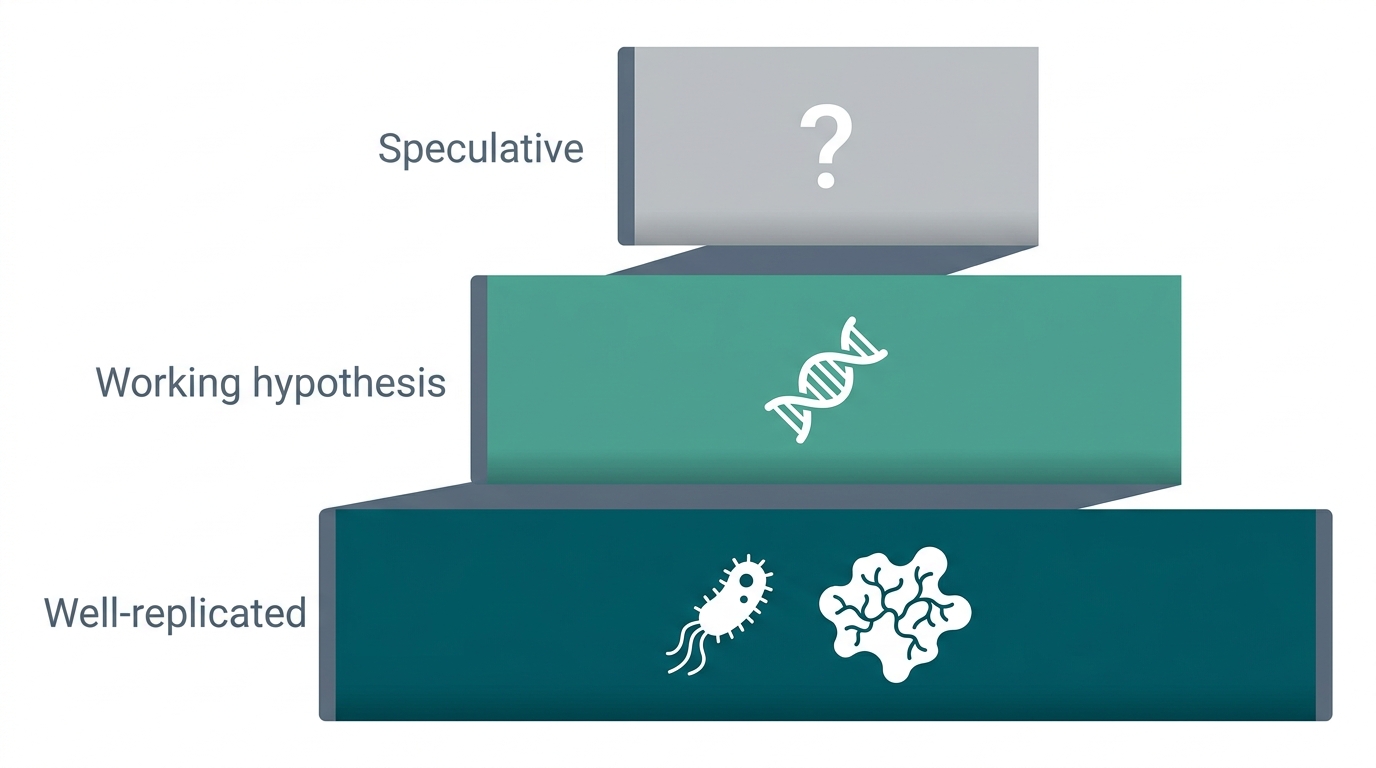
Figure 1.11:Not all claims in this field carry the same weight. This book marks the difference instead of blurring it.
Solid. Single-cell habituation in Stentor roeselii was documented in 1906 and placed on molecular footing by Dexter, Prabakaran and Gunawardena in 2019. Physarum solves mazes and matches engineered networks — replicated across independent labs. Bioelectric patterns control target morphology in planarians, with causal direction established by ion-channel manipulation across multiple papers.
Working hypothesis. That all of this forms a continuous spectrum with human cognition is a theoretical position, not a settled result. It generates testable predictions. Whether the dial from E. coli to a cortex is truly continuous, or whether there is a genuine phase change somewhere where the nature of computation shifts, is unresolved — and thoughtful researchers disagree about it in print.
Speculative. Whether any of these systems have experience is a philosophical question this book does not enter, and you should be suspicious of anyone who does so casually.
1.10The Only Conclusion Left
Walk the options off the table.
It is not the genome — 279 identical genomes produced 279 different construction projects.
It is not “just chemistry” — that argument deletes your own mind along with the worm’s.
It is not a reflex — block the path and these systems reroute, which is precisely what a reflex cannot do.
And it is not the brain. The flatworm fragment doing the most impressive work in this chapter did not have one. Neither did the slime mold that matched Tokyo’s engineers. Neither does the wound on your hand, which is doing something right now — locating a target, measuring distance to it, correcting for error — that you have never once consciously controlled.
Goal-directed, error-correcting behaviour does not require a nervous system. It requires a target state, a way to measure distance to that state, and some means of acting to reduce the gap. Methylation does this in a bacterium. Cytoplasmic flow does it in a slime mold. Voltage does it in your skin. Neurons are the fastest and most flexible version biology ever produced — by an enormous margin — but they arrived roughly two billion years late to a process already running without them.
Brains did not invent intelligence. They inherited it and made it fast.
Morgan set the flatworm aside in 1901 and went looking for the parts list. The parts list took a century to find and it is extraordinary. This book is about the foreman.
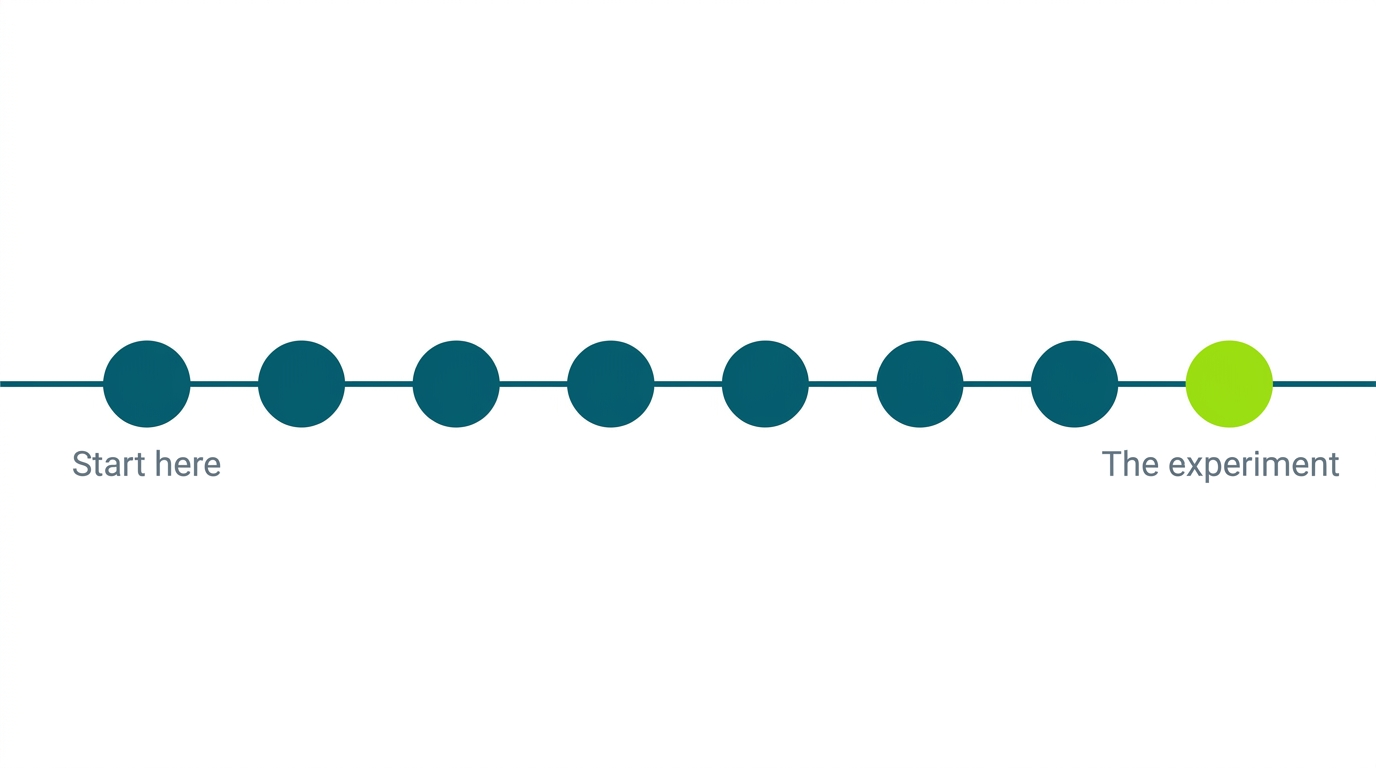
Figure 1.12:Six ideas, one per chapter, each traced from cells into machines. The last chapter is an experiment you can actually run.
1.11One Thing to Carry
You are carrying a biological map of your own hand right now. Every cell in your skin is holding part of it — a voltage pattern, maintained continuously, encoding the shape you are supposed to be. You have never thought about it once. It has never needed you to.
The flatworm carries one too. So does every bacterium chasing a gradient, every slime mold pruning its network, every wound deciding it is done.
The question this book keeps asking is: how simple can the hardware get before the plan disappears? How small can the system be and still have something it is trying to stay?
That question turns out to have an answer. It is not simple, and it is not comfortable. But it is specific. And specific is where science begins.